Blockchain and You
It's no secret that the logistics industry lacks transparency and standardization among partners. In a world with hundreds of moving parts that are subject to multiple transactions which can span months, it's nearly impossible to keep all of the key actors and departments in the loop. But what if a technology were to present itself that promises to fix this broken system?
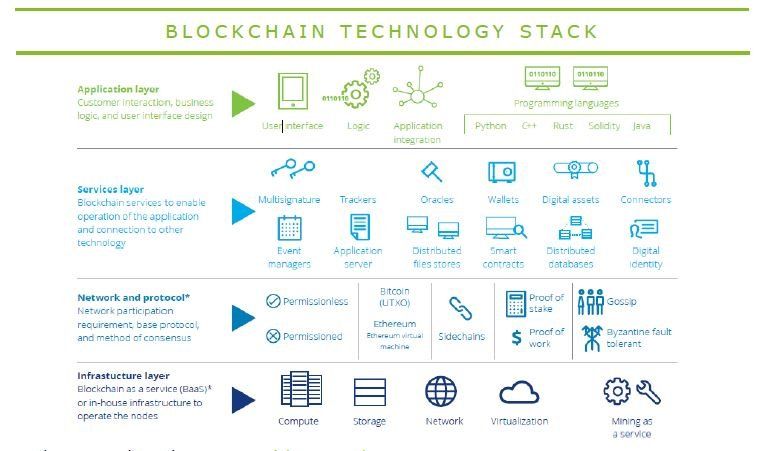
Enter blockchain. Blockchain is the technological engine behind BitCoin and cryptocurrency that companies have started to re-purpose as a tool to connect all of their partners along the supply chain. As Merriam-Webster defines it: a digital database containing information (such as records of financial transactions) that can be simultaneously used and shared within a large decentralized, publicly accessible network. Although blockchain finds its DNA in BitCoin, neither BitCoin nor any other cryptocurrency is required to use it.
If you've ever used a shared document service, like GoogleDocs, you have experienced something similar to blockchain. Just like with a spreadsheet on GoogleDocs, where permissioned actors have the ability to edit and view documents; a blockchain is also accessed, altered, and edited by any party with the appropriate digital credentials and a link to the digital ledger.
In the supply chain world, the use and applications of blockchain are still being defined. For some shippers an ideal usage may be to create blocks and store details of every transaction in a shipment's life cycle. Other shippers may only want to include key milestone events and transactions – some shippers may opt out entirely.
As with any new technology, blockchain is not immune from fears over data security & retention, adoption, standardization, and regulation. At the recent CONECT 22nd Annual Northeast Trade and Transportation Conference in Newport, RI it was clear that the transparency blockchain intends to provide has left some shippers skeptical. Many importers and exporters would rather not share information across the supply chain with every link in that supply chain. For example, a clothing company may not want their trucker in the US to know what factories they sourced their goods from in China.
IBM Blockchain technology is being developed with Maersk in an effort to address those concerns and determine the viability of a highly secure digital ledger network. Their goal is to reduce the number of records produced at each point in the supply chain. A goal that they believe can speed up the velocity of information, create new efficiencies, and reduce shipping costs by up to 20%.
Holt Logistics has become the first independent port operator in the Northeast to conduct a pilot based on IBM and Maersk's blockchain-based global trade digitization solution. "The investment in the blockchain platform, albeit different from recent hard asset investments like the crane purchases and facility enhancements," said Thomas J. Holt III, Business Development Manager for Holt Logistics, "[Blockchain] is another investment in the future of the Port of Philadelphia, designed to reduce costs and significantly improve the port's ability to add value to the customer."
The food industry has also been an early adopter of Blockchain. In a business where expiration dates are critically important, speed, data accuracy, and efficiency are key. Walmart, Unilever, Nestle, Tyson, and Dole have all begun using blockchain to keep records of where pork and other products are sourced from, shipped, processed, and their sell-by-dates.
Other firms are embracing the transparency blockchain provides. As buyers become more concerned over where products are sourced from some businesses are answering consumer concerns. De Beers now tracks their diamonds from when they were mined all the way until they are sold to the customer. Not only does this provide a digital record of their authenticity but it also helps the company avoid conflict and blood diamonds.
Although the future of blockchain has yet to be written, it is clear that it will be one of the main drivers in the digitization of global trade. As logistics lags behind most industries in the tech space, there is a dire need for a solution that can benefit shippers, carriers, freight forwarders, customs brokers, carriers, and buyers. Will blockchain be that solution? If IBM and Maersk have any say in it, you can bet your BitCoin.
Want to find out how blockchain can work for your supply chain ? Contact a trusted adviser at Aborn & Co. and celebrate our 30th Anniversary with a complimentary freight audit and consultation.