Trucking Capacity Crunch Sparks Heated Discussions At CONECT T&T
As we enter the second quarter of 2018 it has become clear that the capacity crisis facing the trucking industry is far from over. Chad Prevost of Freightwaves reports, "Freight trucks are the lifeblood of America's consumer economy—they represent 70.9 percent of the nation's freight by tonnage shipped and 81.5 percent of the nation's freight by cost spent, according to data from the American Trucking Association (ATA). Wages continue to rise for America's truckers as the trucking industry contends with driver shortages coupled with an increased demand for shipping services."
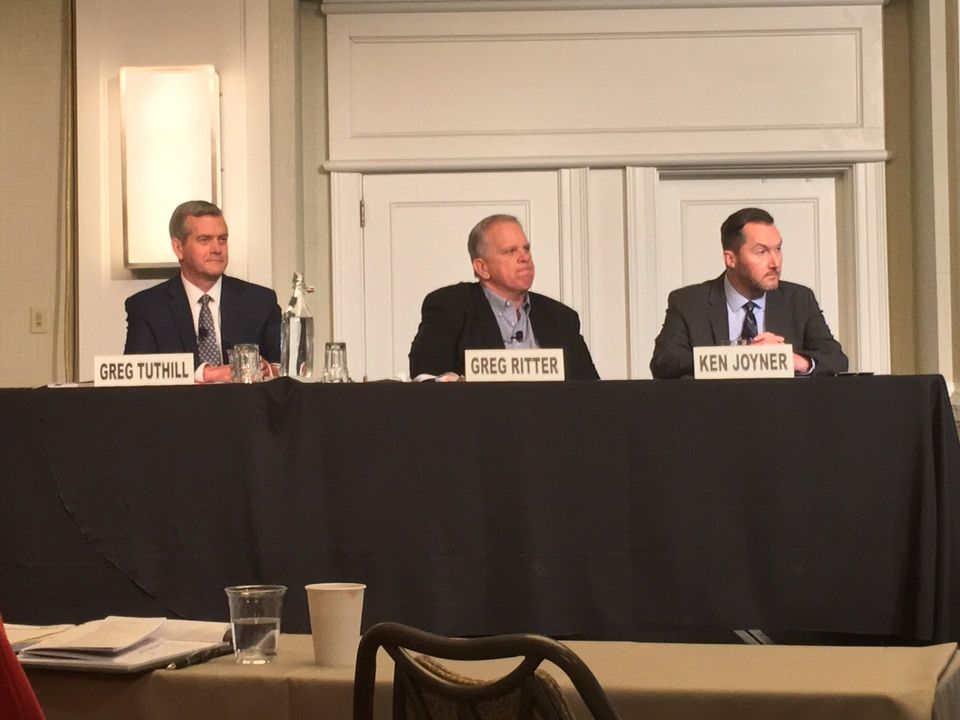
This was no more apparent than at last week's CONECT 22nd Annual Northeast Trade & Transportation Conference where it was clear that shippers' main concern this year is the trucking capacity crunch. The three day event played host to a bevy of panels featuring thought leaders from all ends of the supply chain but few were as heated as Tuesday's session on Capacity Crunch in Rail/Ocean/Trucking International & Domestic.
The lively panel saw representatives from several companies on the front line of the capacity issues. The session moderated by Rob Shepard, Vice President of Strategic Solutions at International Forest Products gave equal time to Greg Tuthill, Senior Vice President and COO, CMA CGM America LLC, Greg Ritter, Chief Customer Officer at XPO Logistics, and Ken Joyner, Group Vice President International and Intermodal, Norfolk Southern Corporation.
"Trucking rates are expected to be up 10 to 20% this year." warned Greg Ritter, Chief Customer Officer at XPO Logistics. "If ELDs were truly enforced there wouldn't be enough parking lots in America to fit all the trucks."
Mr. Ritter's forewarning further highlights the issues on why your freight rates are up and confirms fears that the they will persist for the foreseeable future. In Broughton Capital's latest trucking rate report the DAT Flatbed Barometer is accelerating at record highs. This marks 53 consecutive weeks that the DAT Flatbed Barometer has been above equilibrium.
Ultimately, trucking capacity issues can't be solved without truckers. "The larger carriers are consolidating and buying smaller carriers, not for their book of business, but for their drivers." Mr. Ritter went on to advise. Unfortunately, this practice does nothing to solve the issue as it's simply moving existing drivers to new companies while not creating new ones.
"We expect labor shortages to persist in trucking for at least the next two years, as the economy remains strong, and as even in the best-case scenario, truck driver employment tends to lag rising wages," UBS economist Seth Carpenter wrote in a February note to Business Insider.
With a long hard road ahead, strong partnerships will be crucial to keep your freight moving. This contract season it will be more vital than ever to reevaluate your carriers and start score carding them on key metrics like ELD compliance, capacity, and the number of available truck drivers.
Concerned about the capacity crunch? Contact a trusted adviser at Aborn & Co. and celebrate our 30 th Anniversary with a complimentary freight audit and consultation.